SWIB’s investment strategy is disciplined, balanced, and focused on long-term results. SWIB invests first to help protect the pension plan from the impact of another major market downturn and then to earn reasonable returns.
SWIB has developed a disciplined, prudent, and innovative investment strategy designed to help weather a variety of economic environments and protect the Wisconsin Retirement System (WRS) trust funds from major market downturns, provide modest upward annuity adjustments, keep contribution rates stable, and generate reasonable risk-adjusted returns.
The investment process begins by determining the asset allocation, or how the funds in the WRS are divided among broad asset classes. Assets in the Core Fund include stocks, bonds, real estate, and other types of investments. A broadly diversified asset allocation is key to meeting SWIB’s long-term investment objective set by the Department of Employee Trust Funds (ETF) with input from external consultants using several factors including market expectations, estimated wage growth, and other actuarial assumptions.
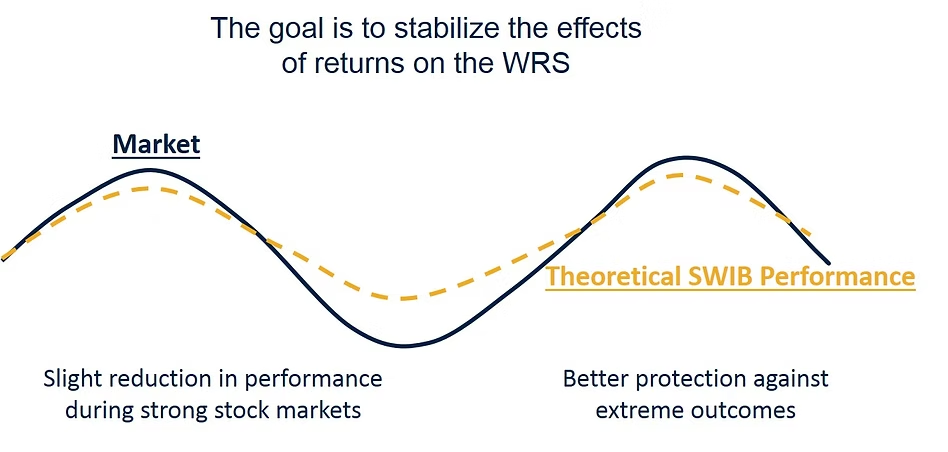
SWIB invests the assets of the WRS using both active and passive management strategies. Passive management, also known as “indexing,” is a style of management that attempts to match the results of a broad basket of investments. Active management refers to a strategy where investment professionals make specific investments using analytical research, forecasts, and personal judgment and experience with the goal of outperforming similar investments in the market. SWIB uses a combination of active and passive management not only to earn adequate returns, but to manage risk, and provide diversification.
SWIB’s Board of Trustees sets the benchmarks that are used to measure the performance of investment portfolios and the Core and Variable Funds. These benchmarks reflect the objectives of the portfolio and the types of investments that can be made. Typically, benchmarks include a widely used market index or a combination of several indexes based on the types of assets. SWIB’s benchmarks are listed in the Investment Guidelines.